
Mechanical parts, cylindrical threaded fasteners for nuts. A fastener consisting of a head and a screw (a cylinder with external threads) in two parts, to be fitted with a nut, for fastening two parts with a through hole.
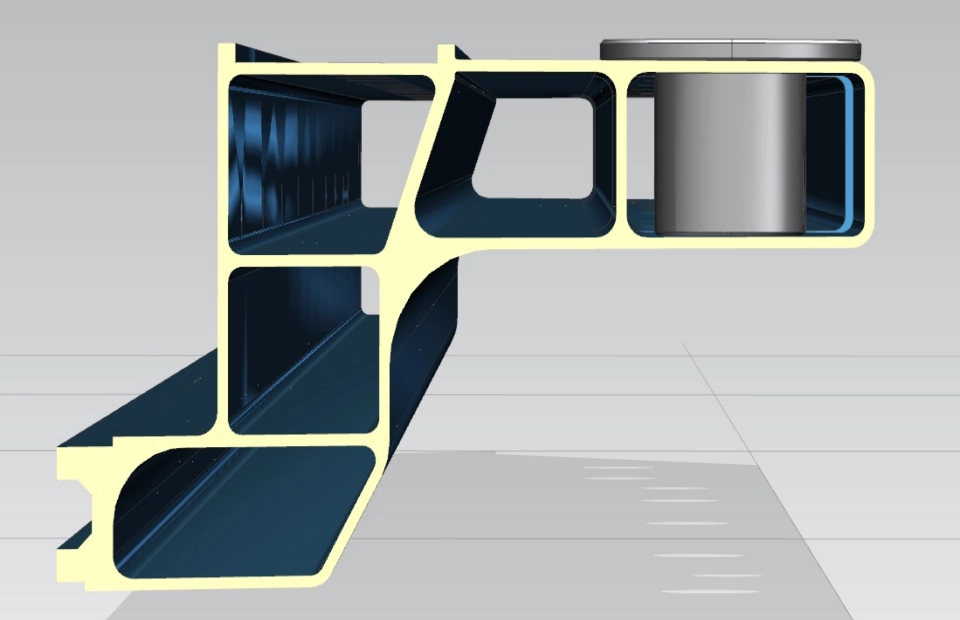

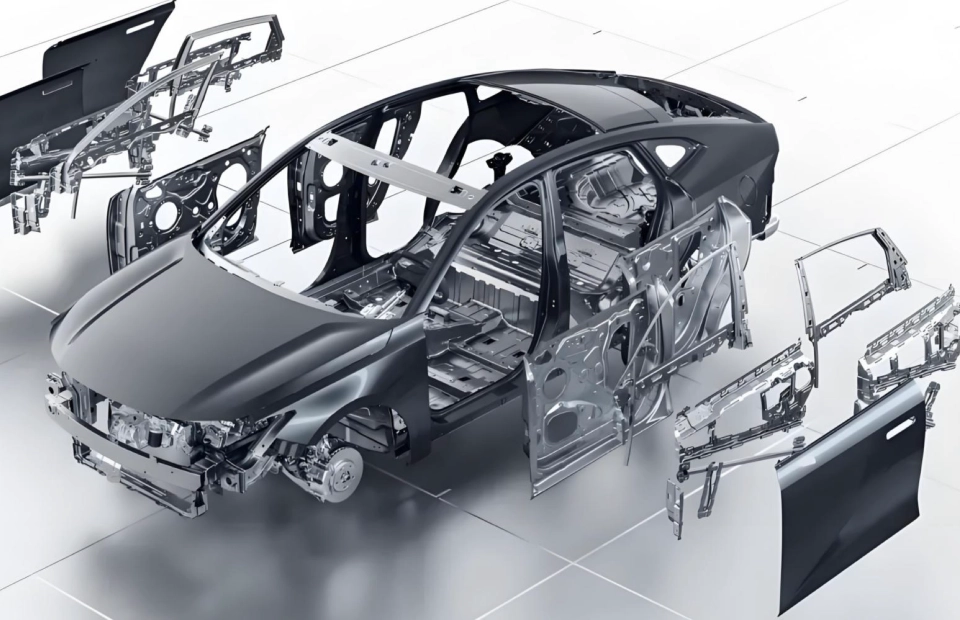





In automotive manufacturing, selecting the right fastener is essential for achieving reliable connections between sheet metal components. Different assembly structures require different fastening methods. Some applications only need two or more metal parts to be permanently joined, while others require a threaded connection that allows additional components to be installed or removed later.
This is where the difference between a Pull Rivet Nut and a standard rivet becomes important. Although both fasteners use a riveting process to create mechanical connections, their structures, installation functions, and application requirements are quite different. Understanding these differences helps manufacturers select suitable fastening solutions for automotive sheet metal assemblies.
What Are Pull Rivet Nuts and Standard Rivets?
Both fasteners are commonly used in metal fabrication, but they serve different purposes in an assembly.
Pull Rivet Nuts: Creating Threaded Connections in Thin Sheets
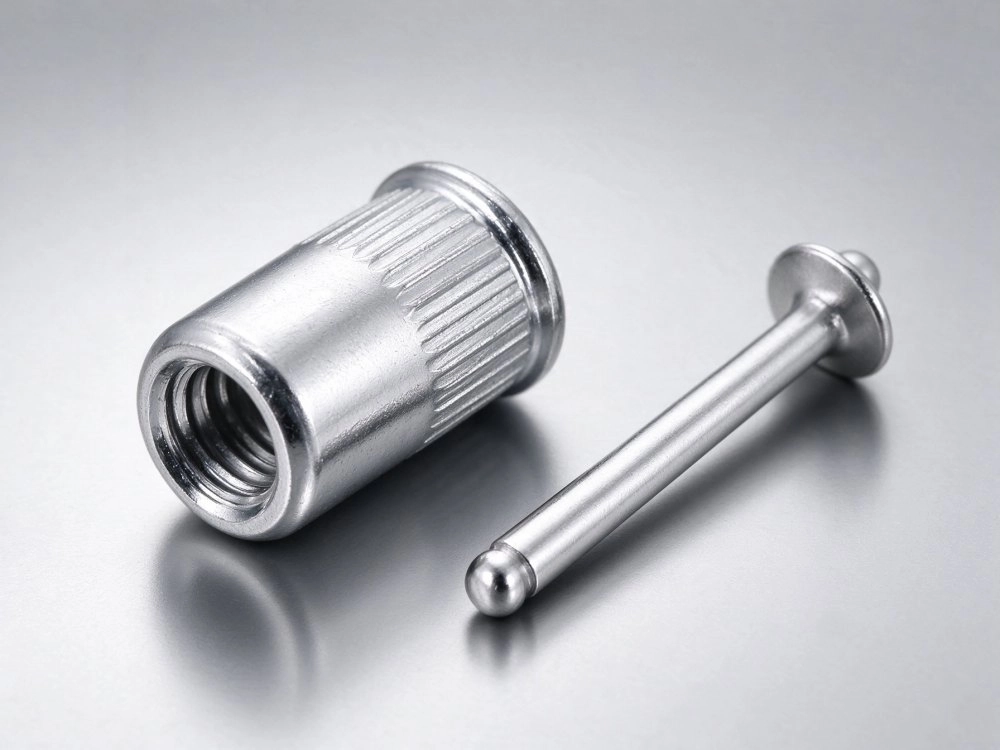
A Pull Rivet Nut is a tubular fastener with an internal thread and a deformable body. It is designed to be installed into a pre-drilled hole in sheet metal using a specialized rivet nut tool.
During installation, the tool pulls the threaded mandrel, causing the rear portion of the fastener body to deform and form a bulge against the back of the sheet. This deformation clamps the material between the flange and the expanded section, securing the fastener in place.
Once installed, the internal thread provides a fastening point for bolts or screws. This makes Pull Rivet Nuts particularly useful when thin sheet metal cannot provide sufficient material thickness for directly tapping a durable thread. They are also suitable for applications where access to the back of the panel is limited.
Standard Rivets: Permanently Joining Multiple Components
Standard rivets, including conventional solid and blind rivets, are primarily designed to permanently connect two or more components.
During installation, a solid rivet is deformed using a riveting tool to create a second head that holds the materials together. A blind rivet, on the other hand, uses a pulling mandrel to expand its body and form a retaining section behind the workpiece.
Unlike a Pull Rivet Nut, a standard rivet generally does not provide an internal thread for subsequent bolt installation. Its main function is to create a direct mechanical joint between materials.
What Are the Main Differences Between Pull Rivet Nuts and Standard Rivets?
The most important difference lies in the type of connection each fastener creates. A Pull Rivet Nut establishes a threaded attachment point, whereas a standard rivet directly joins materials through permanent deformation.
| Comparison Factor | Pull Rivet Nut | Standard Rivet |
| Primary Function | Creates a threaded fastening point | Permanently joins materials |
| Internal Thread | Integrated internal thread | Generally unavailable |
| Installation | Uses a rivet nut installation tool | Uses a riveting tool |
| Connection Type | Threaded mechanical connection | Permanent mechanical joint |
| Disassembly | Attached components can be removed by unscrewing bolts | Usually requires drilling or destructive removal |
| Typical Applications | Mounting brackets, panels, and threaded attachments | Sheet metal joints and permanent assemblies |
Another important distinction is maintenance flexibility. With a Pull Rivet Nut, the attached component can be removed by unscrewing the bolt without removing the rivet nut itself. This is useful for assemblies that may require inspection, replacement, or servicing.
However, the rivet nut remains permanently secured to the sheet in normal applications. It should not be confused with a removable nut.
How Do Their Applications Differ in Automotive Manufacturing?
Automotive production involves various sheet metal structures, mounting components, and supporting assemblies. The choice between a Pull Rivet Nut and a standard rivet depends on whether the connection requires a threaded interface or permanent material fastening.
Applications of Pull Rivet Nuts in Automotive Assembly
Pull Rivet Nuts are particularly useful for automotive components that require threaded attachment points in relatively thin materials.
Typical applications may include mounting brackets, interior support panels, equipment installation plates, and other sheet metal assemblies where bolts or screws are needed to secure additional components.
For example, an automotive mounting bracket may be manufactured from thin sheet metal that cannot reliably accommodate a directly tapped thread. Installing a Pull Rivet Nut provides an internal threaded connection without requiring a thick base material.
The ability to install these fasteners from one side also makes them practical for enclosed structures or locations where accessing the rear of a panel is difficult.
Applications of Standard Rivets in Automotive Manufacturing
Standard rivets are more suitable for applications where components need to be permanently joined without requiring a threaded attachment point.
They can be used in selected sheet metal assemblies, interior metal structures, brackets, and other automotive components where a direct mechanical connection meets the design requirements.
Blind rivets are particularly useful when only one side of the assembly is accessible. Their installation process can also support repetitive production operations when appropriate tooling and specifications are established.
For permanent joints that do not require subsequent bolt installation or regular disassembly, standard rivets can offer a straightforward fastening solution.
Which Fastener Should You Choose for Thin Sheet Metal Applications?
Choosing between a Pull Rivet Nut and a standard rivet requires more than comparing their dimensions. The intended connection function, material properties, and production requirements should all be considered.
1. Connection Requirements
If the application requires an internal thread for attaching brackets, panels, or other components with bolts, a Pull Rivet Nut is generally the more suitable option. If the objective is simply to join two or more materials permanently, a standard rivet may be sufficient.
2. Installation Accessibility
Both blind rivets and Pull Rivet Nuts can be installed from one side of an assembly. However, the required installation tools and hole specifications differ. Manufacturers should evaluate available working space, equipment compatibility, and production procedures before selecting either option.
3. Maintenance and Assembly Requirements
When an automotive component may need to be replaced or serviced, a threaded connection provides greater flexibility. A Pull Rivet Nut allows the attached component to be removed without destroying the original fastening point, provided the rivet nut remains undamaged. Standard rivets are generally more appropriate for joints that are not intended for routine disassembly.
Why Does Fastener Selection Matter for Automotive Sheet Metal Joints?
Fastener selection directly influences assembly quality, connection reliability, and maintenance requirements. An unsuitable fastening solution may result in insufficient joint strength, material deformation, inconsistent installation, or difficulties during later servicing.
For automotive sheet metal applications, manufacturers should evaluate sheet thickness, material type, grip range, hole diameter, thread size, and expected loading conditions. Vibration, temperature changes, and corrosion exposure may also affect long-term joint performance.
A Pull Rivet Nut is a practical choice when a thin sheet metal component needs a reliable internal threaded connection without requiring access to the rear side of the panel. Standard rivets remain suitable for many permanent joining applications where no additional threaded interface is needed.
Understanding these functional differences allows manufacturers to select fastening solutions that better match their component designs, assembly processes, and long-term performance requirements.