Mechanical parts, cylindrical threaded fasteners for nuts. A fastener consisting of a head and a screw (a cylinder with external threads) in two parts, to be fitted with a nut, for fastening two parts with a through hole.

Industry Solutions
Industry Solutions
Fastener with The Times
In the assembly and maintenance of automobiles, fasteners, in addition to maintaining the traditional requirements of connection, fixing, transferring load, and maintaining matching accuracy, are constantly required to increase the requirements of preventing vibration and noise, adapting to various environments, helping lightweight and increasing the number of repeated disassembly.

R&D Ability
R&D Ability
To solve your production problems
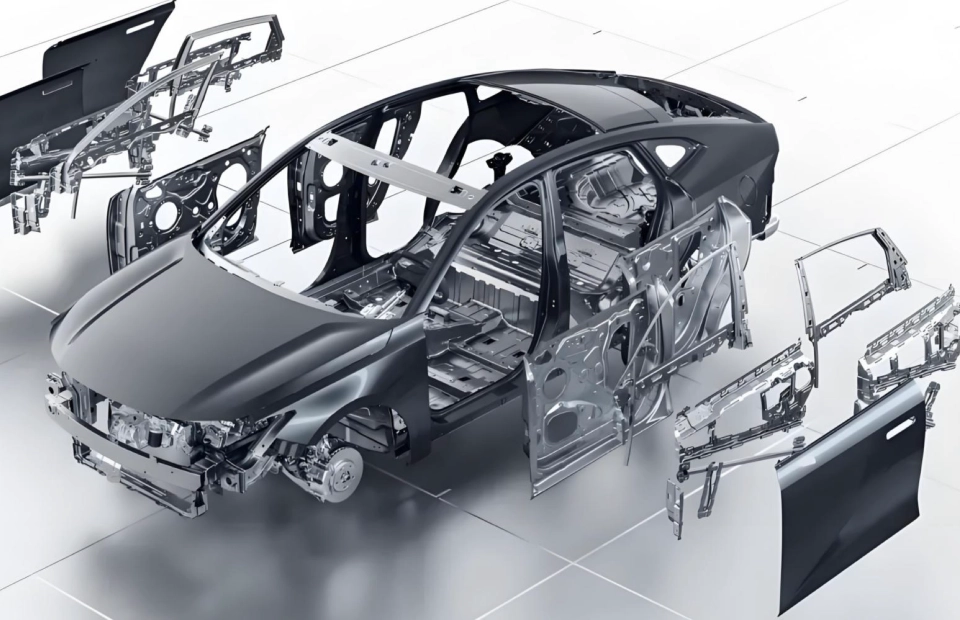
Our company has mature product development and mass production experience in multiple application scenarios such as automotive thin plate connection, body connection, four doors and two covers, quick-change systems, wheel hub systems, half shaft systems, and interior and exterior parts. We can provide customers with customized fastener solutions to meet diverse requirements.
Production Capability
Production Capability
Multiple production bases
Mechanical parts, cylindrical threaded fasteners with nuts. A type of fastener composed of a head and a screw (a cylindrical body with external threads), which needs to be used in conjunction with a nut to fasten and connect two parts with through holes.

Company
Company
Make users more competitive by choosing Nates
Mechanical parts, cylindrical threaded fasteners for nuts. A fastener consisting of a head and a screw (a cylinder with external threads) in two parts, to be fitted with a nut, for fastening two parts with a through hole.




zw
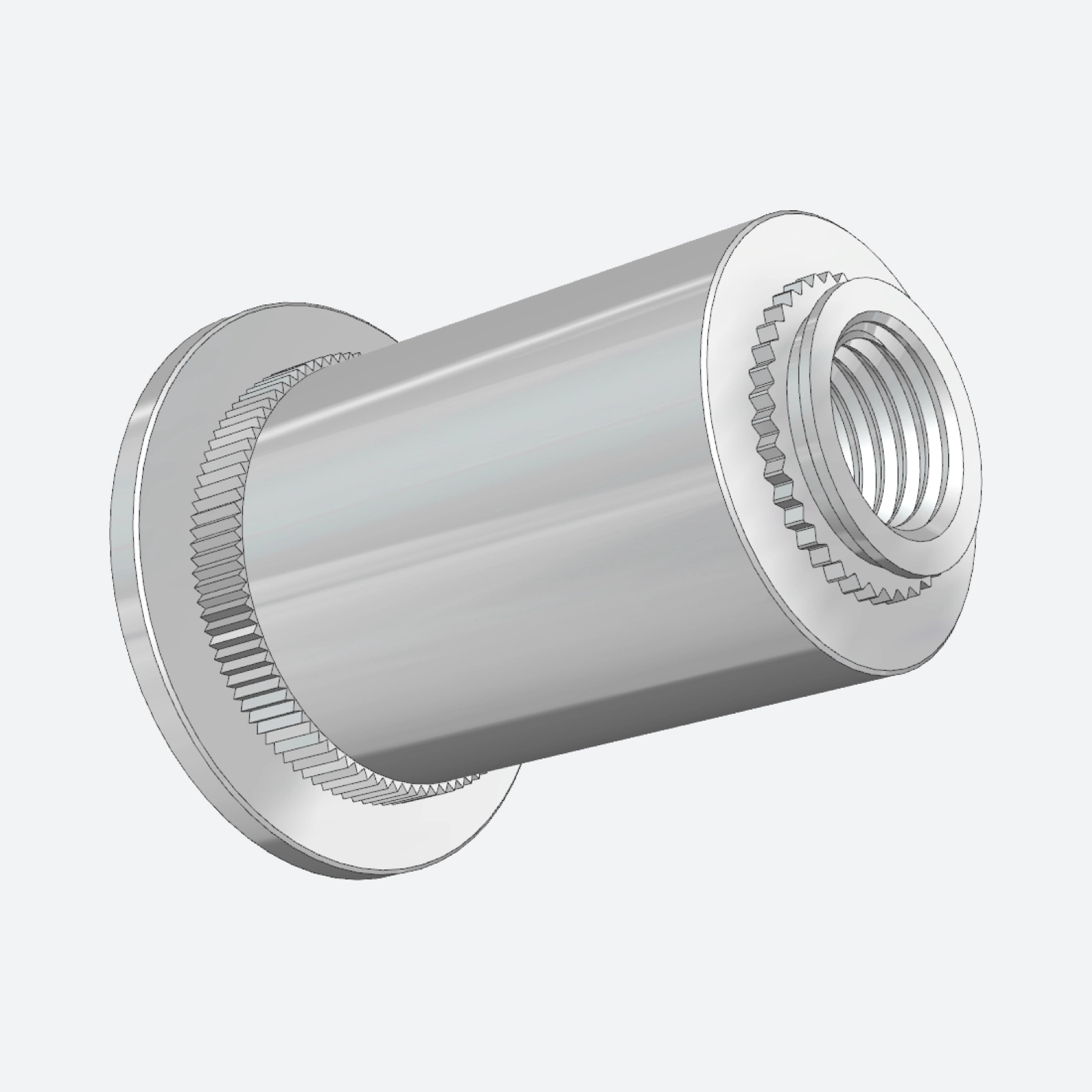
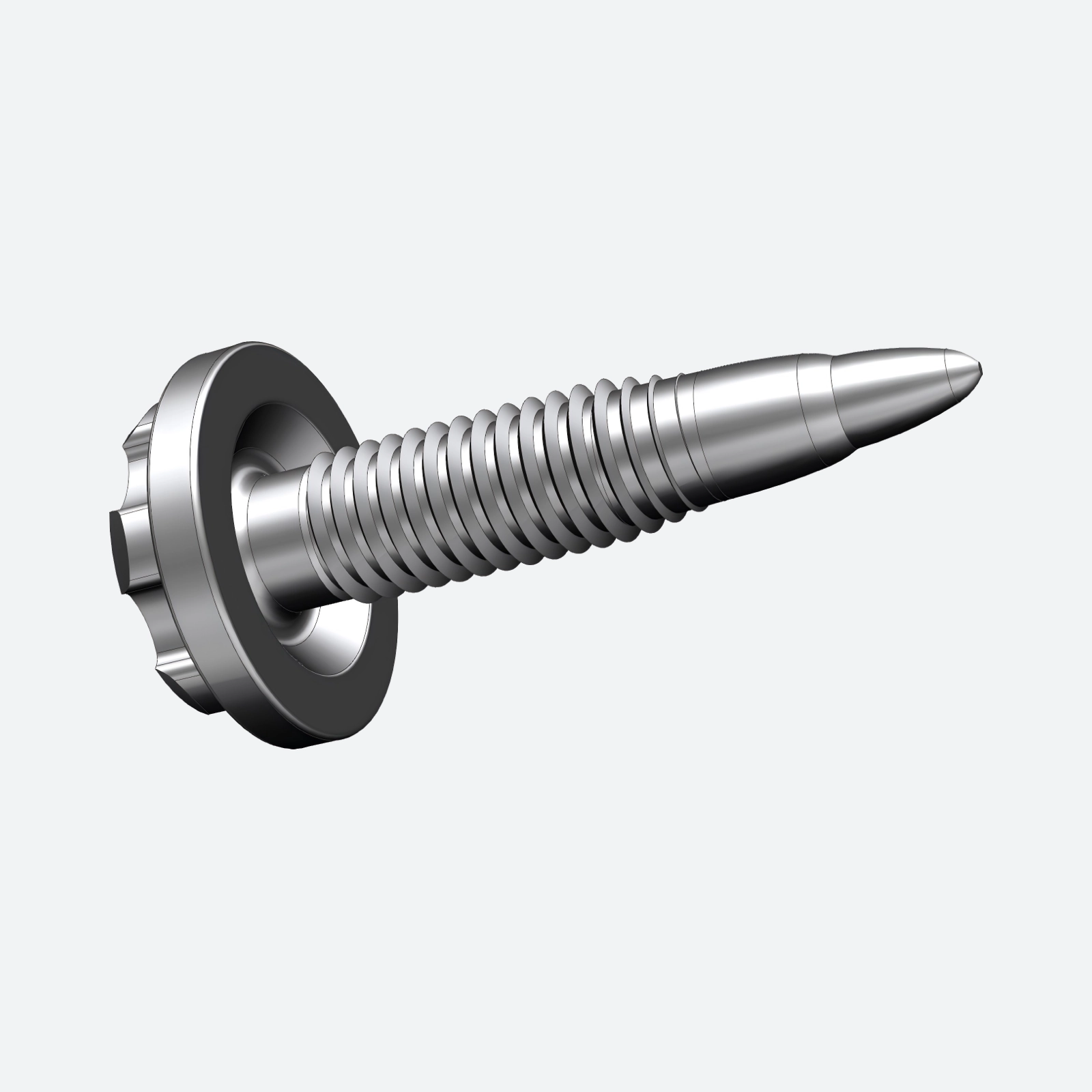
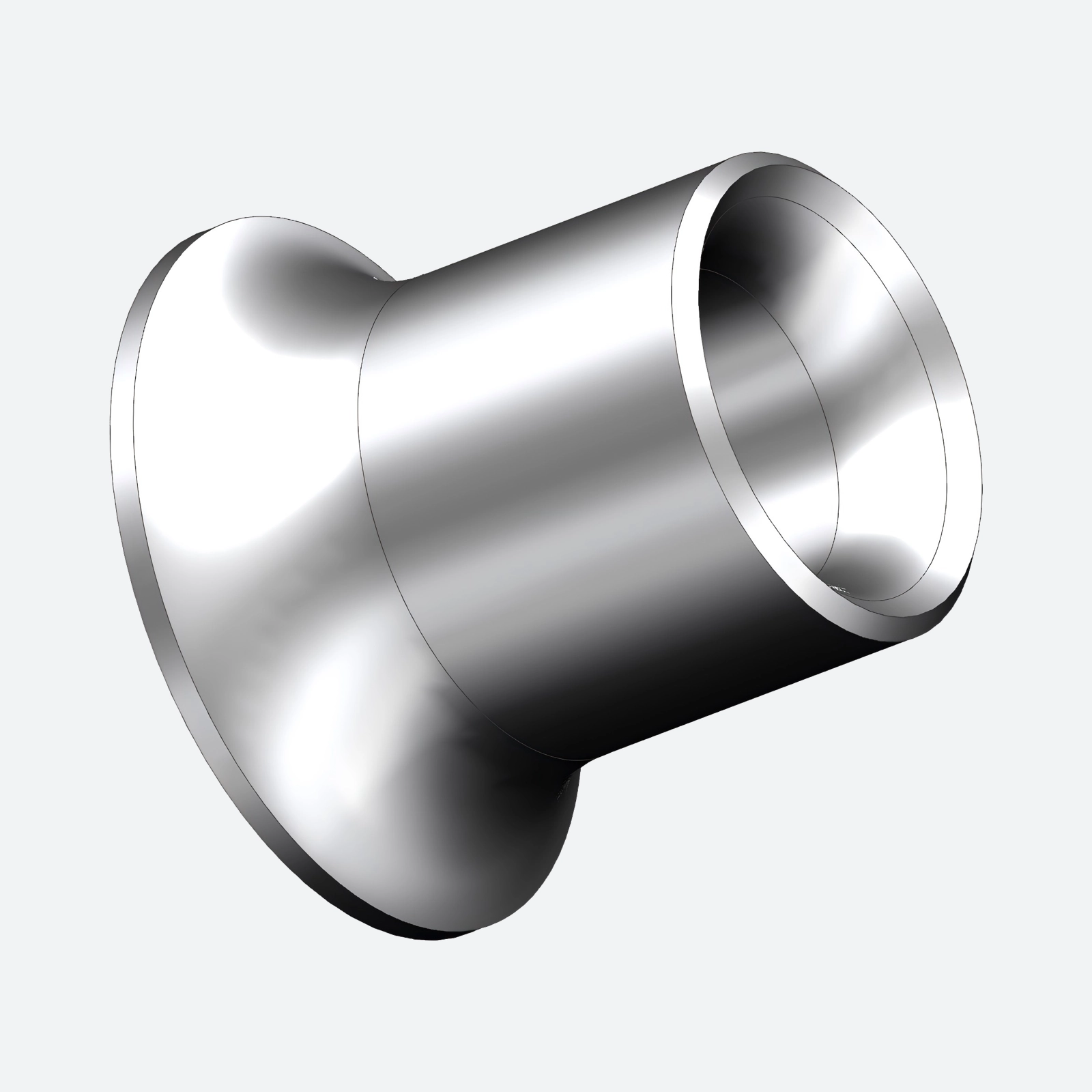
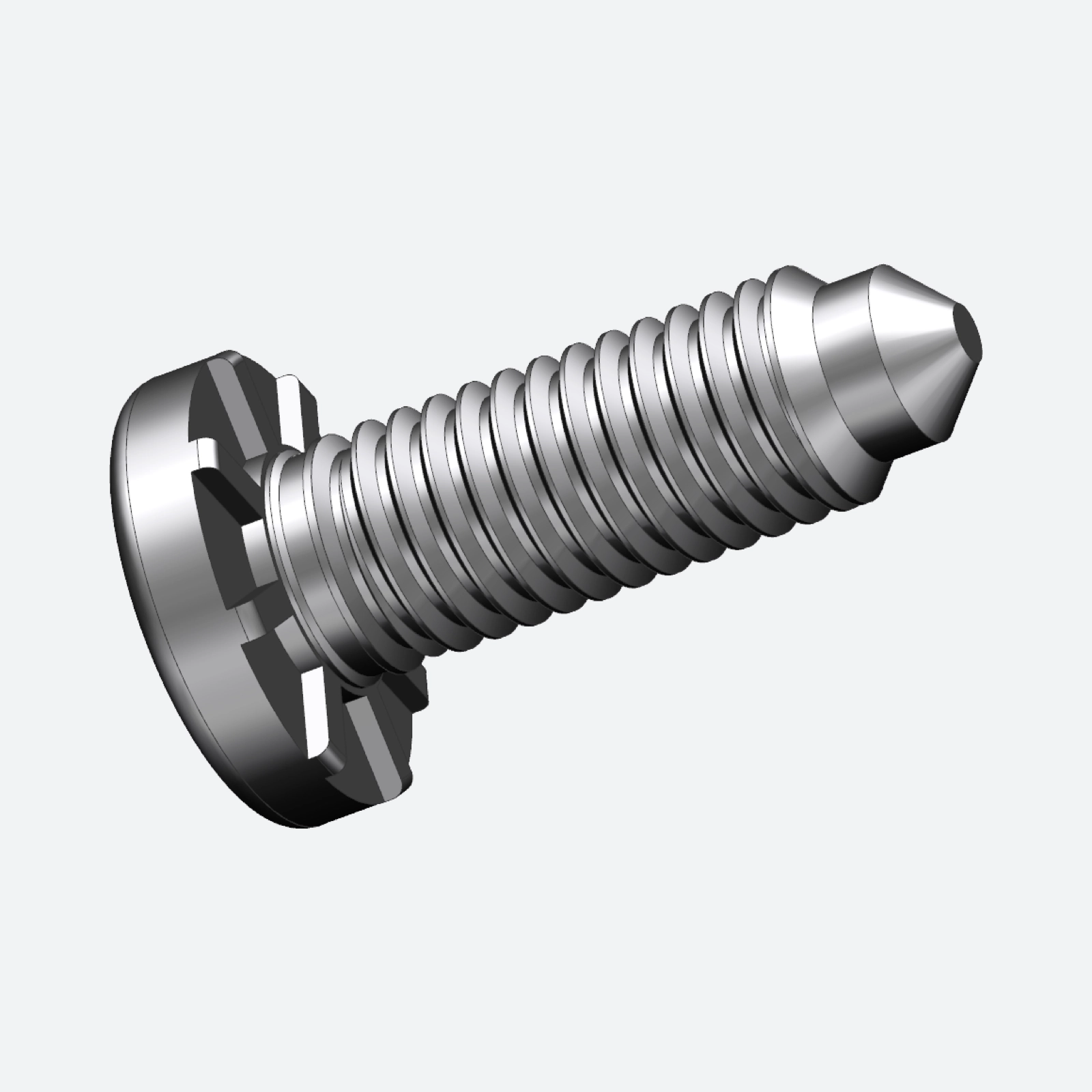
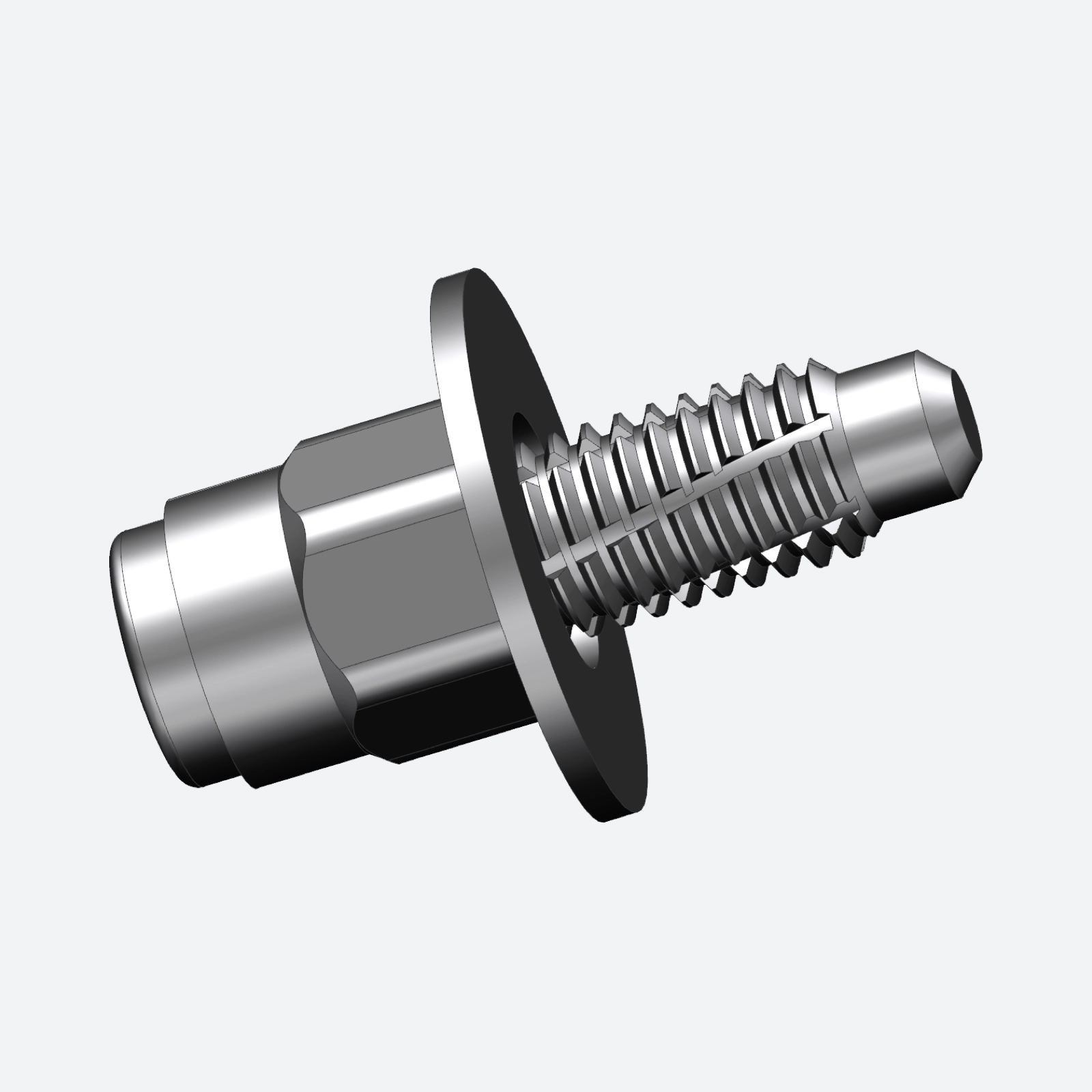
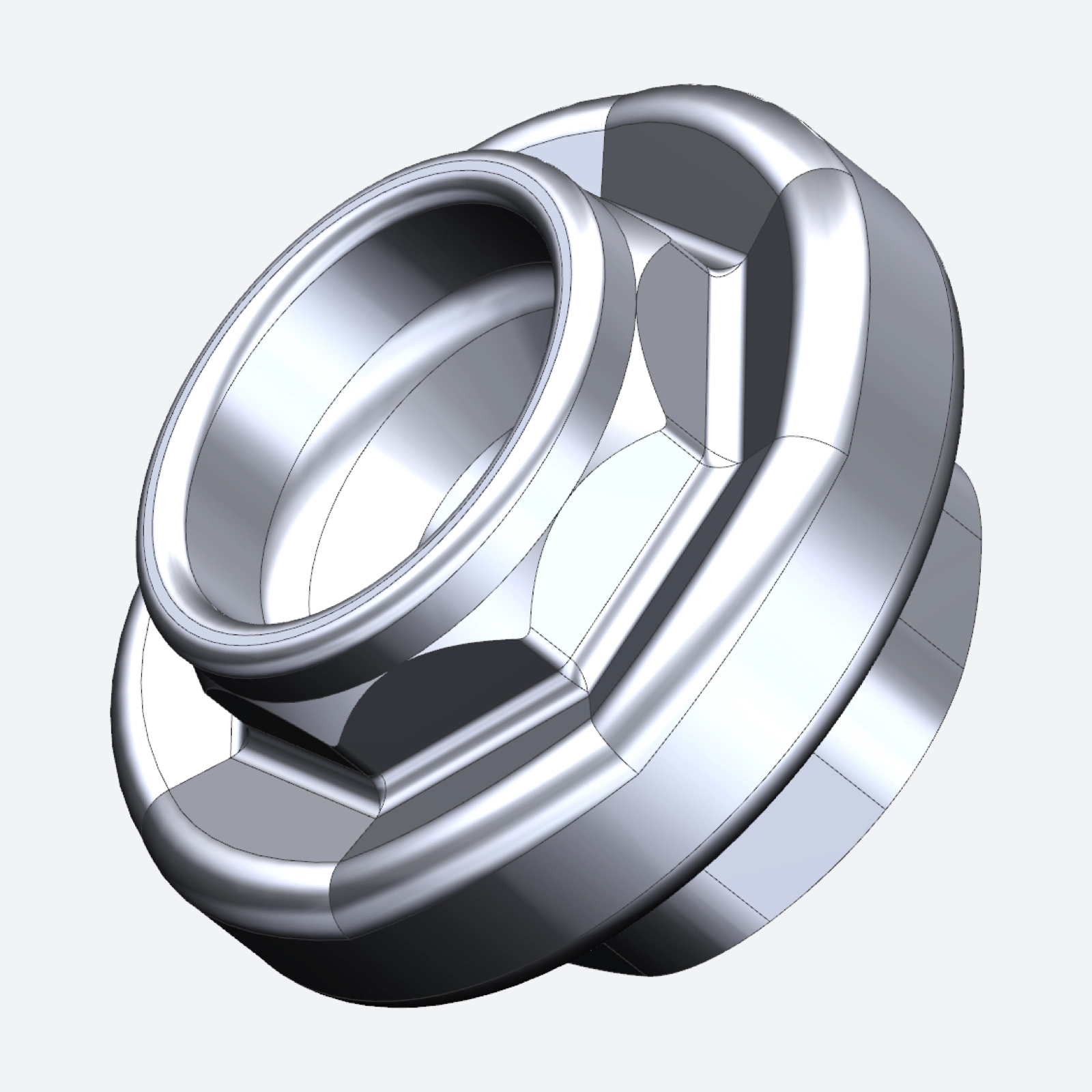
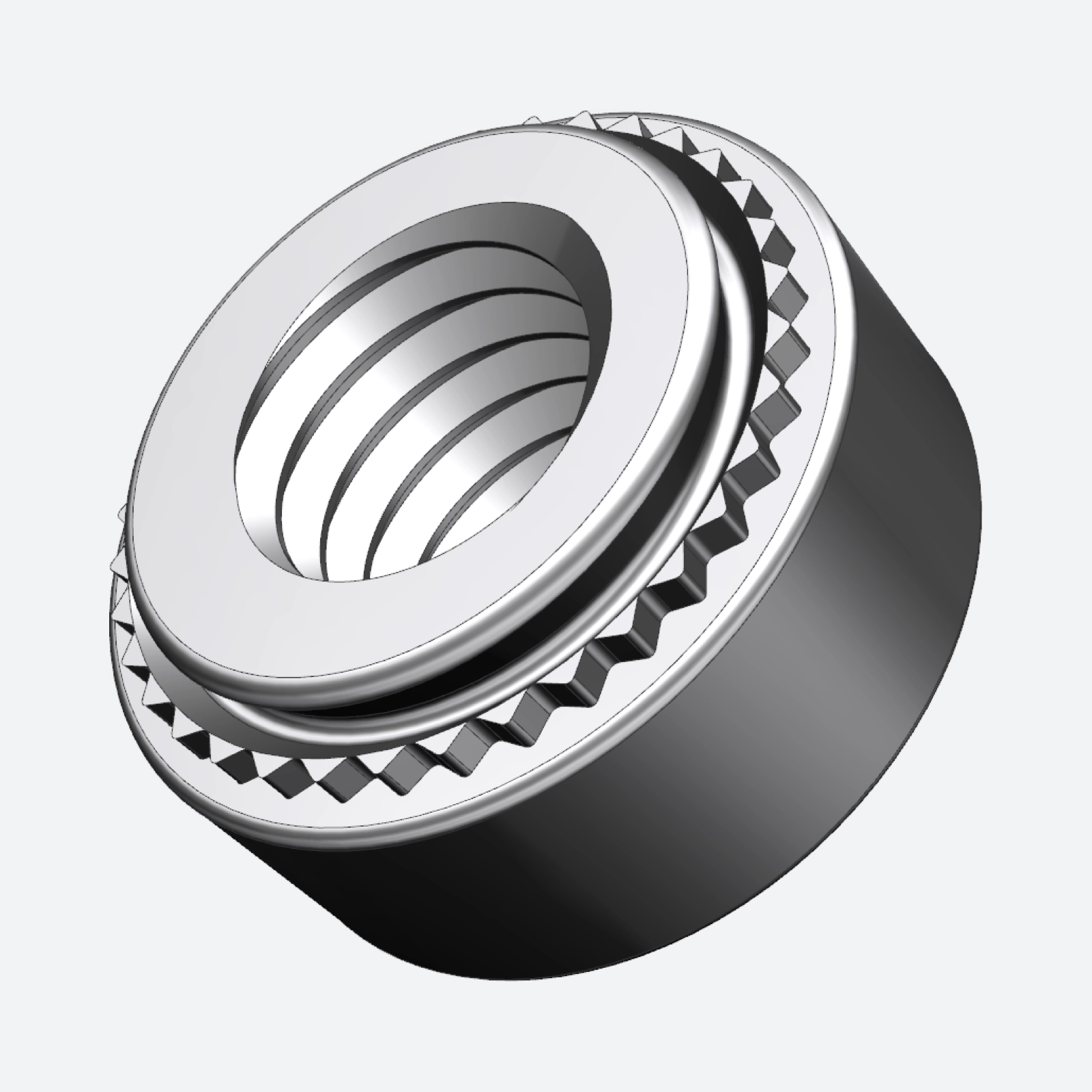
Automotive Sheet Metal Fasteners Supplier
We have manufactured automotive fasteners for nearly 30 years. This category covers the eight fasteners we make for joining and fixing sheet metal in vehicle bodies: self-piercing rivets, flow drill screws, rivet nuts in three versions, riveted bolts and studs, and aluminium alloy sleeves. Every one of them is made in our own factory, on our own lines, to our own quality system.
Quality system certifications
IATF 16949:2016 VDA 6.3 Formel Q BIQS T-QMS
How We Build Sheet Joint Fasteners
01Nearly 30 years of process experience
Long production history shows up as process knowledge: which parameters drift first on each part, where in the sequence a defect is cheapest to catch, and how a design change on the drawing will behave on the line. We apply that knowledge to every new part, not just repeat orders.
02Many independent production lines
Our large factory runs many independent lines, so different part families can be produced in parallel and your order is not waiting behind an unrelated product.
03Standardized process, high precision
Production is run under IATF 16949:2016 and audited against VDA 6.3, the process audit standard used across the German automotive industry.
04Independent R&D department
Our own engineers develop and adjust fastener designs in-house. You can bring us a drawing, a sample, or only the joint conditions, such as sheet materials, thickness and load, and we work from there.
05OEM/ODM at factory-direct prices
We make what we sell, so the price you receive is the factory price with no trading layer in between. We produce to your drawings under OEM, or develop a matching design with you under ODM.
Choosing Sheet Metal Fasteners by Joint Type
Most sheet joints come down to 3 questions: can you reach both sides, are you joining or threading, and how heavy is the load. This table maps our 8 fasteners against those questions.
| Product | Joining method | Access | Grade / size range |
|---|---|---|---|
| Half Pipe Self-Punching Rivet (SPR) | Pierces the upper sheet and flares in the lower sheet to form a mechanical interlock; no pre-drilled hole | Both sides | Nail leg :3.3 to 5.3 |
| Self-Flowing Drill Screw (FDS) | Softens and pierces the sheet, then forms its own thread; no pre-drilled hole | One side | M4, M4.5, M5 |
| Rivet Nut | Sets into a hole in thin sheet to create an internal thread | One side | M5~M16 |
| Pull Rivet Nut | Internal thread with a higher connecting force than ordinary rivet nuts, for heavy loads | One side | M5~M10 |
| Flip Rivet Nut | Also called a flanged nut; a dedicated riveting machine lifts the edge of the nut and fixes it to the sheet for a tight fit | / | M5~M12 |
| Aluminium Alloy Sleeve | High-strength connection between metal plates and external-thread parts; riveted head is self-locking | / | M6~M14 |
| Press Riveting Bolt | Bolt with a prefabricated hole or slot; pressure from a dedicated riveting machine or tool forms a bulge on the sheet that fixes it in place | / | M4~M12 |
| Pull Riveting Stud | Externally threaded bolt with a rivet nut body that has no internal thread; its expanded end passes through a pre-punched hole and is set with a dedicated rivet gun | / | M5~M8 |
Range of Our Sheet Joint Fasteners
Joining without Pre-Drilled Holes: SPR and FDS
These two fasteners create the joint and the hole in a single operation. They are the usual choice when aluminium and steel panels have to be joined in the same body structure.
SPR
Half Pipe Self-Punching Rivet
The half-pipe rivet is driven through the top sheet and flares open inside the lower sheet without breaking through it, leaving a mechanical interlock with no pre-drilled hole. It needs access to both sides of the joint. Because the way the rivet flares depends on its hardness and geometry, these are the two things we hold most tightly in production.
FDS
Self-Flowing Drill Screw
The screw softens the sheet by friction, pierces it, and forms its own thread in the displaced material, all from one side of the joint. That makes it suitable where the back of the panel cannot be reached. Its performance depends on point geometry, thread form and heat treatment, so these are controlled as a set rather than separately.
On our production line. Both parts are run under IATF 16949:2016 process controls, with the checkpoints for hardness and geometry set per part number.
Threads in Thin Sheet from One Side: Rivet Nut Series
When a panel is too thin to tap and the back cannot be reached for a nut, a rivet nut puts a usable internal thread in the sheet. We make three versions so the load and the joint can decide the choice.
STANDARD
Rivet Nut
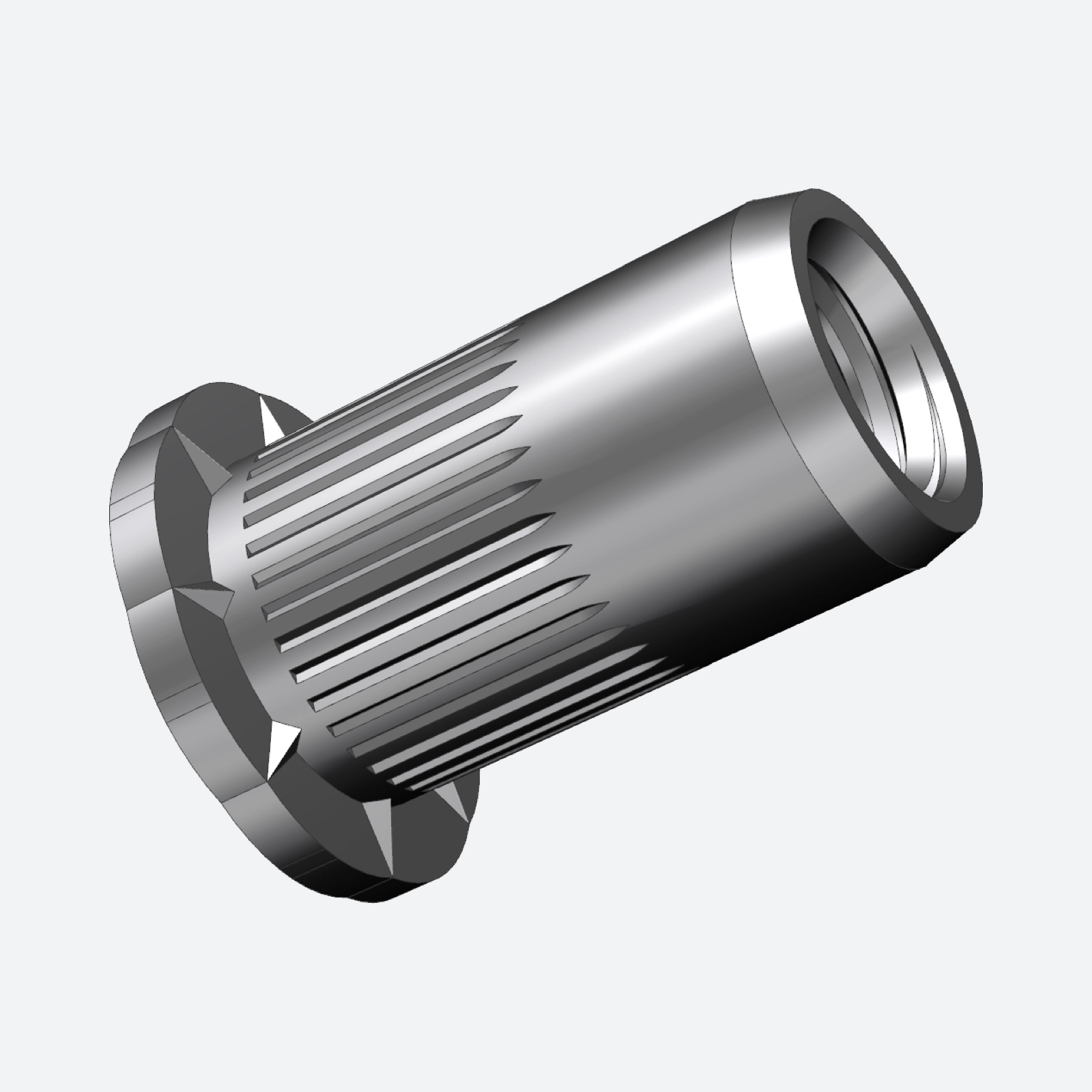
The standard choice for adding an internal thread to thin sheet when only one side is accessible. It suits general fixing points where the load is moderate.
HEAVY LOAD
Pull Rivet Nut
Provides a stronger clamping force than an ordinary rivet nut, making it the choice for fixing points that carry heavy loads.
FLIP TYPE
Flip Rivet Nut
Often called a flanged nut. Install it with a dedicated riveting machine that lifts the edge of the nut and fixes it to the sheet, so the nut sits tight against the panel.
On our production line. A rivet nut has to deform in a controlled way when it is set while keeping its thread accurate, so body dimensions and thread quality are checked together.
Riveted Fixing Points for Heavy Loads
For fixing points that have to carry load and stay put under vibration, we make riveted bolts, studs and sleeves that become a permanent part of the panel.
ALUMINIUM
Aluminium Alloy Sleeve
Used to achieve a high-strength connection between metal plates and external-thread parts, and suited to heavy-load applications. The head formed during riveting is self-locking.
PRESS-IN
Press Riveting Bolt
The bolt is made with a prefabricated hole or slot. A dedicated riveting machine or tool applies pressure so that a specific part of the bolt forms a bulge on the sheet metal, locking the bolt in place.
PULL-SET
Pull Riveting Stud
Made of an externally threaded bolt and a rivet nut body without an internal thread. The expanded end of the stud is passed through the pre-punched sheet and fastened with a dedicated rivet gun.
On our production line. For parts that are riveted into the panel, the fit between the part and the hole decides how well the head forms, so the dimensions that control that fit are inspected as critical characteristics.
Working With Us on OEM and ODM Projects
You do not need a finished drawing to start. These are the four stages most projects follow.
01Send your requirementA drawing, a sample, or the joint conditions: sheet materials, thickness, access and load.
02Engineering reviewOur R&D team checks fit, material and process, and proposes a suitable design.
03Samples and validationSamples are produced and tested against your requirements before anything is released to production.
04Series productionParts are made on our own lines under our certified quality system, at factory-direct pricing.
Reviewing a Sheet Joint?
If you are comparing fastener options for a body joint, send us the drawing or describe the application. Our engineers can look at it with you and suggest which of these fasteners fits, or whether a custom design makes more sense.
Our other automotive fastener categories: Body Joint Fasteners, Four-Door Two-Cover Fasteners, Quick Change System Fasteners, Hub System Fasteners, Semi-Shaft System Fasteners.

Sales call: Foreign Trade +86 18018559718 / Domestic Sales: +86 18604056850
email: Foreign Trade:hongyu.wang@shnate.com / Domestic Sales:jian.wei@shnate.com
address: NO.765 Zixu Road Minhang District, Shanghai


Shanghai Nate Automobile Fastener Co., Ltd.. 2026 © All rights reserved
