
Mechanical parts, cylindrical threaded fasteners for nuts. A fastener consisting of a head and a screw (a cylinder with external threads) in two parts, to be fitted with a nut, for fastening two parts with a through hole.
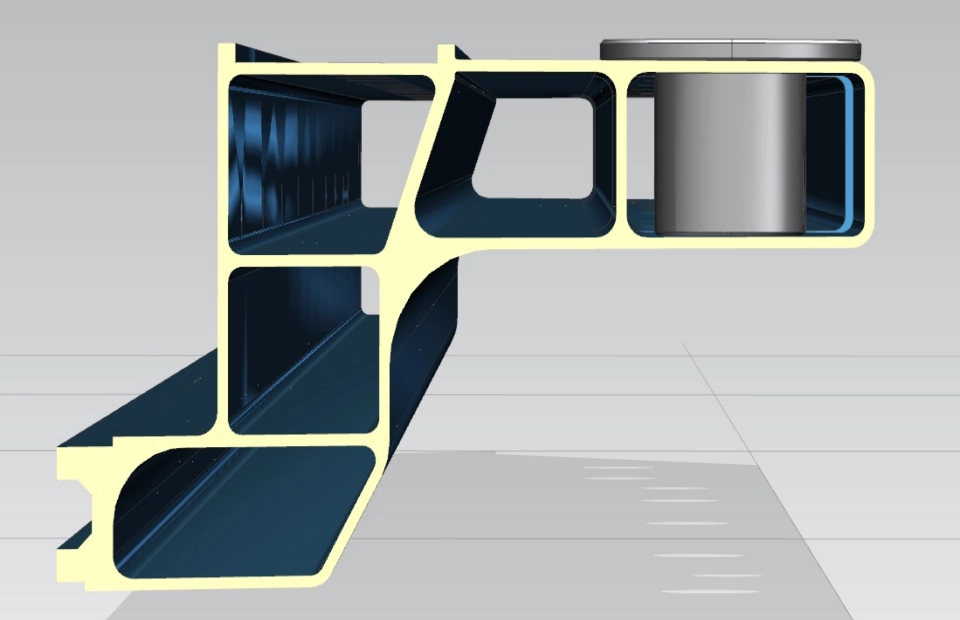

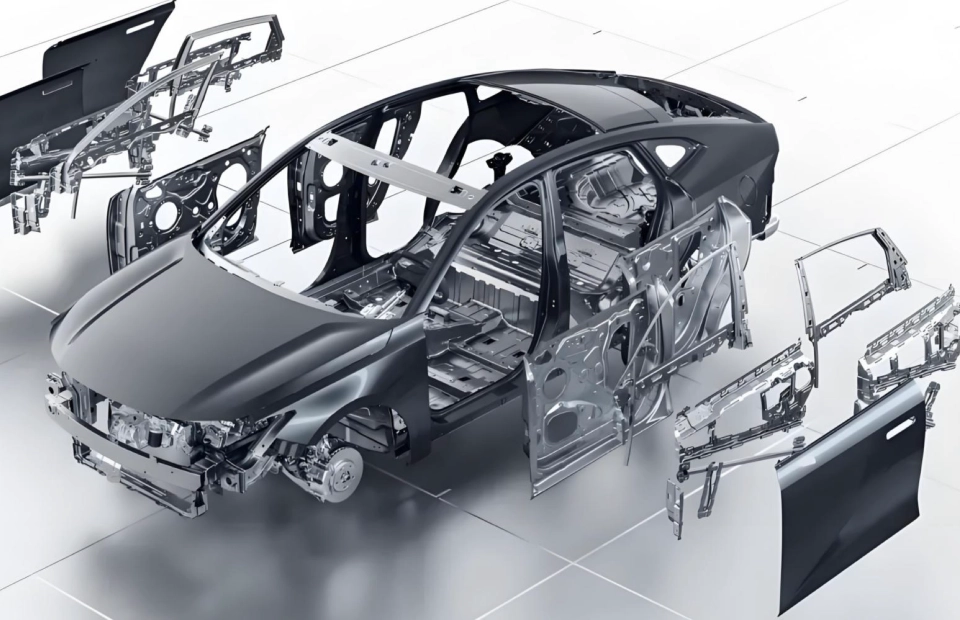





As automotive manufacturers continue to develop lighter vehicle structures, reliable fastening solutions for aluminum components have become increasingly important. Aluminum body panels and structural parts help reduce vehicle weight, but joining thin aluminum sheets requires careful consideration of connection strength, material compatibility, and installation methods.
Aluminum Alloy Sleeves provide a fastening solution designed for lightweight automotive structures. Made from 7-series aluminum alloy, these components combine high connection strength with good fatigue life and low weight. When used with a suitable self-piercing riveting process, they can support reliable connections in aluminum vehicle bodies while helping maintain a clean panel appearance.
Automotive Applications of Aluminum Alloy Sleeves
Connecting Aluminum Body Panels
Aluminum is widely used in automotive body structures because of its favorable strength-to-weight ratio. However, joining thin aluminum panels can be challenging. Excessive installation force or an unsuitable fastening method may cause deformation, surface damage, or an unreliable joint.
Aluminum Alloy Sleeves for Automotive are designed for applications involving aluminum sheet materials. Their use with an appropriate riveting process helps create mechanical connections without relying on traditional welding. This can be useful for joining body panels where maintaining the surface condition and appearance is important.
The sleeve design also supports connections in areas where a clean and tidy panel surface is required after installation. This makes the product suitable for selected automotive body assembly applications.
Lightweight Structural Components
Weight reduction is an important consideration in modern vehicle design. Replacing heavier fastening components with aluminum alternatives can contribute to a lighter overall assembly, particularly when many fasteners are used across a vehicle structure.
Aluminum Alloy Sleeves offer a lightweight fastening option for aluminum components. Their high connection strength and good fatigue life make them suitable for applications where joints may experience repeated loads during vehicle operation.
Depending on the joint design, they may be used in selected lightweight structural assemblies, brackets, and other sheet-metal connections. The final application should be determined by the required load capacity, sheet thickness, and installation conditions.
Riveted Mounting Assemblies
Some automotive assemblies require fastening methods that can be installed from one side of the components. Self-piercing riveting is used in certain sheet-metal joining applications because it can create a mechanical interlock without requiring access to both sides of the joint.
Aluminum Alloy Sleeves can be incorporated into suitable riveting applications. Their dimensions and structure need to match the riveting equipment and the materials being joined. Correct coordination between the sleeve, sheet materials, and installation process is essential for achieving consistent joint quality.
How Do Aluminum Alloy Sleeves Improve Joint Performance?
High Strength and Fatigue Resistance
Automotive joints are exposed to vibration, road loads, and repeated changes in operating conditions. A fastening component must therefore provide more than initial connection strength; it should also maintain performance under repeated loading.
These sleeves are manufactured from 7-series aluminum alloy, which is selected for its strength-related properties. The product is designed to provide high connection strength and excellent fatigue life, making it suitable for demanding lightweight fastening applications.
Actual joint performance depends on the alloy condition, component dimensions, sheet materials, and installation quality. Testing under the intended loading conditions is important when evaluating a fastening solution for a specific vehicle structure.
Material Compatibility with Aluminum Components
Using aluminum fasteners with aluminum parts can help reduce material differences within a joint. Compared with combinations of dissimilar metals, same-material fastening may reduce the risk of galvanic corrosion under suitable conditions and help minimize differences in thermal expansion.
This compatibility is particularly relevant in aluminum vehicle bodies, where components may experience temperature changes during service. However, material matching alone does not eliminate corrosion risk. Surface treatments, coatings, moisture exposure, and joint design should also be considered.
Support for Lightweight Vehicle Design
The low weight of aluminum makes it attractive for automotive fastening applications. Aluminum Alloy Sleeves for Automotive can help reduce the mass of fastening components while maintaining the connection performance required by the assembly.
For manufacturers working with aluminum body structures, choosing a compatible fastening material can support weight reduction without introducing unnecessary material differences into the joint.
Cold Heading and Manufacturing Advantages
These sleeves are produced by cold heading, in which soft aluminum alloy wire is formed directly into the required shape. This process can reduce machining requirements and help lower manufacturing costs, particularly in batch production.
The product features a perforated upper profile, while the lower end may be perforated or unperforated depending on the design. These structural variations allow the sleeve to be adapted to different connection requirements.
Cold heading also supports consistent production of formed components. However, dimensional accuracy, material condition, and process control remain important to ensure that each sleeve works correctly with the selected riveting method.
What Should Be Considered When Selecting Aluminum Alloy Sleeves?
When choosing Aluminum Alloy Sleeves for Automotive, engineers should evaluate several factors:
-
Material and compatibility: Confirm the aluminum alloy and its suitability for the connected components.
-
Dimensions and sheet thickness: Match sleeve geometry to the joint design and material stack.
-
Riveting process: Ensure compatibility with the self-piercing riveting equipment and installation parameters.
-
Joint performance: Consider required strength, fatigue loading, and operating conditions.
The product specification also lists proof load level 10. Its exact interpretation and acceptance criteria should be confirmed against the applicable standard and technical documentation.
Aluminum Alloy Sleeves provide a practical fastening option for selected automotive aluminum structures. Their lightweight design, 7-series aluminum material, cold-heading production, and compatibility with suitable riveting processes make them relevant to applications where connection performance, material matching, and clean panel appearance are important.